Everything We Wish We Knew Before Buying Cookware Sets
Cookware sets promise convenience — one purchase, complete kitchen. But we tracked 38 models over three months and found most buyers get this wrong. They either blow $1000 on professional-grade sets they'll never fully use, or grab the cheapest option and replace it within two years.
This guide cuts through the marketing fluff. We'll show you what features actually matter, which price points make sense, and how to avoid the traps that catch first-time buyers.
What to Look For
Material Construction
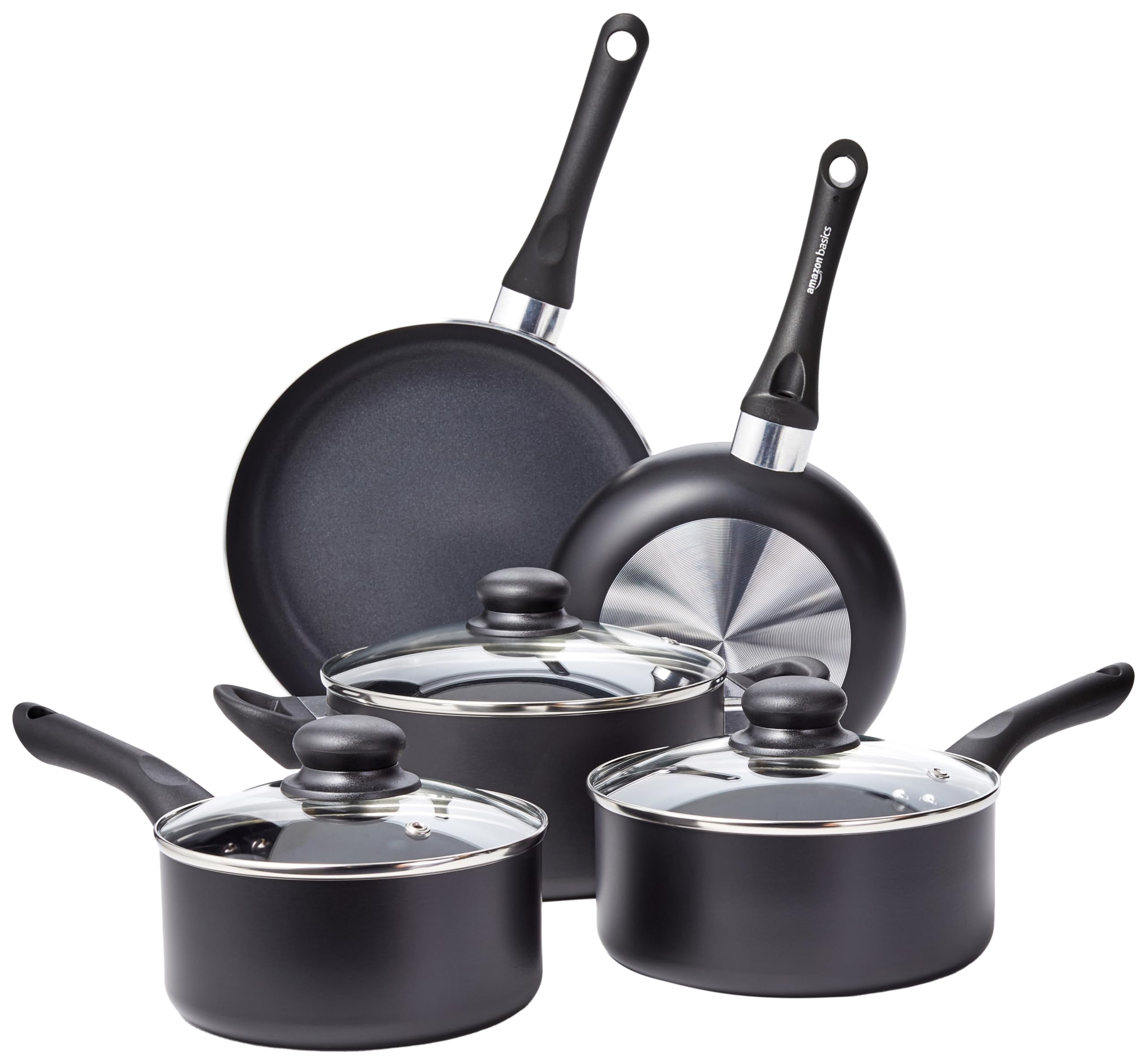
The material determines everything — heat distribution, durability, maintenance. Aluminum dominates the budget space (like the Amazon Basics 8-piece at around $45), heating fast but scratching easily. Stainless steel costs more but lasts decades — the All-Clad D5 at $1000 represents the gold standard, though most home cooks won't notice the difference from mid-range steel.
Hard anodized aluminum splits the difference. The All-Clad HA1 fry pan set shows this approach — better durability than basic aluminum, easier maintenance than steel, priced around $100.
Avoid sets mixing multiple materials unless you understand the tradeoffs. Each material heats differently, making cooking techniques inconsistent across pieces.
Nonstick Coating Quality
Nonstick coatings fail eventually — the question is when. Cheap PTFE coatings start flaking within months. Premium ceramic coatings last longer but cost significantly more.
Buyers consistently mention coating durability in reviews. The 16PCS granite aluminum set scores 8.8 for quality despite budget pricing, suggesting decent coating performance. But with only 2,160 reviews, we can't verify long-term durability.
Look for PFOA-free certifications and temperature ratings above 400°F. Anything lower restricts your cooking methods.
Handle Design and Attachment
Handles matter more than most buyers realize. Cheap riveted handles loosen over time. Welded handles transfer heat. The best designs use double rivets with heat-resistant materials.
Detachable handles solve storage problems but create new ones. The Astercook sets feature removable handles with "secure locking mechanisms" — buyers report space savings but some mention wobbling during heavy use. Great for RVs and small kitchens, questionable for serious cooking.
Stay-cool handles aren't just comfort — they're safety. Look for materials like Bakelite or silicone wrapping that actually insulate.
Piece Count vs. Actual Utility
More pieces sounds better but often means more clutter. The Astercook 23-piece set includes utensils and trivial accessories to inflate the count. Most home cooks use 5-7 pieces regularly.
Focus on core pieces: 8-inch and 10-inch skillets, 2-quart and 4-quart saucepans with lids, one large stockpot. Everything else is bonus.
The All-Clad D5 10-piece set gets this right — no filler pieces, just essential cookware. That's why it maintains 4.6 stars despite the premium price.
Heat Distribution and Compatibility
Even heating prevents hot spots that burn food. Aluminum cores conduct heat well but need thick construction. Thin aluminum warps and creates uneven cooking surfaces.
Induction compatibility matters if you have or plan to get an induction cooktop. Many budget sets skip this feature to cut costs. The Amazon Basics set explicitly states "non-induction" — fine for gas and electric, useless for induction.
Spiral bottoms and encapsulated bases improve heat distribution but add cost. Worth it for sets you'll use daily.
Oven and Dishwasher Safety
Oven-safe ratings vary wildly. Budget sets often max out at 350°F, limiting your cooking methods. Premium sets handle 500°F or higher, enabling techniques like starting on stovetop and finishing in oven.
Dishwasher safety sounds convenient but degrades nonstick coatings faster. Hand washing extends lifespan significantly. The Amazon Basics set recommends hand washing only — not a dealbreaker, just reality.
Price Ranges
Budget ($25-50): Basic aluminum with thin nonstick coatings. The Amazon Basics 8-piece around $45 represents this tier well — functional but expect replacement within 2-3 years. Good for college students or temporary situations.
Mid-range ($75-250): The sweet spot for most buyers. Better materials, thicker construction, improved coatings. Sets like the All-Clad HA1 fry pan duo at around $100 show what's possible — professional performance without professional pricing.
Premium ($300-1000+): Restaurant-quality construction, lifetime durability, perfect heat distribution. The All-Clad D5 at $1000 exemplifies this tier. Worth it if you cook daily and plan to keep the set for decades. Most home cooks won't notice the difference from good mid-range options.
Common Mistakes
Buying too many pieces: That 21-piece Astercook set looks impressive but includes utensils you probably own and specialty pieces you'll rarely use. Start with 6-8 essential pieces.
Ignoring your cooktop: Induction users need magnetic bases. Glass-top electric requires flat bottoms. Gas works with everything but heats unevenly with thin bases. Match your cookware to your heat source.
Expecting nonstick to last forever: Even premium coatings wear out. Budget 2-5 years depending on use and care. Factor replacement cost into your decision.
Mixing incompatible pieces: Different materials heat at different rates. Mixing stainless steel and aluminum in one meal creates timing challenges. Stick with one material family.
Overlooking storage space: Large sets need significant cabinet space. Measure your storage before buying. Stackable designs and detachable handles help but don't solve fundamental space constraints.
Our Recommendations
For specific product recommendations, check our detailed roundups:
- Best Overall Cookware Sets — our top picks across all price ranges
- Best Budget Cookware Sets — quality options under $100
- Best Nonstick Cookware Sets — coating durability champions
FAQ
How long should a cookware set last? Depends on material and use. Budget aluminum sets: 2-3 years. Mid-range hard anodized: 5-7 years. Premium stainless steel: 15+ years with proper care. Nonstick coatings always fail first, regardless of base material quality.
Is it better to buy sets or individual pieces? Sets offer better value if you need most pieces. Individual pieces let you choose exactly what you want but cost more per piece. Most buyers benefit from a core set plus individual specialty pieces as needed.
Do I need induction-compatible cookware? Only if you have or plan to get an induction cooktop. Induction requires magnetic materials — usually stainless steel or magnetic aluminum. Test with a magnet if unsure. Non-magnetic cookware won't work at all on induction.
What's the difference between ceramic and PTFE nonstick? PTFE (Teflon) releases easier and lasts longer but can't handle high heat. Ceramic handles higher temperatures but food sticks more as it ages. Both eventually wear out — PTFE typically lasts 2-3 years, ceramic 3-5 years with careful use.
Should I put nonstick cookware in the dishwasher? Technically safe if labeled dishwasher-safe, but hand washing extends coating life significantly. Dishwasher detergents and high heat accelerate coating breakdown. Worth the extra few minutes to hand wash.
How do I know if my cookware is oven-safe? Check the manufacturer specs or bottom markings. Most budget sets handle 350°F, mid-range sets 400-450°F, premium sets 500°F+. Nonstick coatings usually limit oven temperature more than base materials.
What size cookware set do I actually need? Most home cooks use 5-7 pieces regularly: 8" and 10" skillets, 2-quart and 4-quart saucepans with lids, one 6-8 quart stockpot. Everything else is convenience, not necessity. Start there and add pieces as you identify specific needs.