Blenders have split into three distinct camps, each solving different problems. Personal blenders for grab-and-go smoothies. Full-size pitchers for family meals and entertaining. Immersion sticks for soups and sauces right in the pot. Most buyers pick the wrong type because they focus on motor power instead of how they'll actually use it.
We tracked 27 models across all three categories to map out what works, what doesn't, and where your money goes furthest.
What to Look for in Blenders
Motor Power vs Real Performance
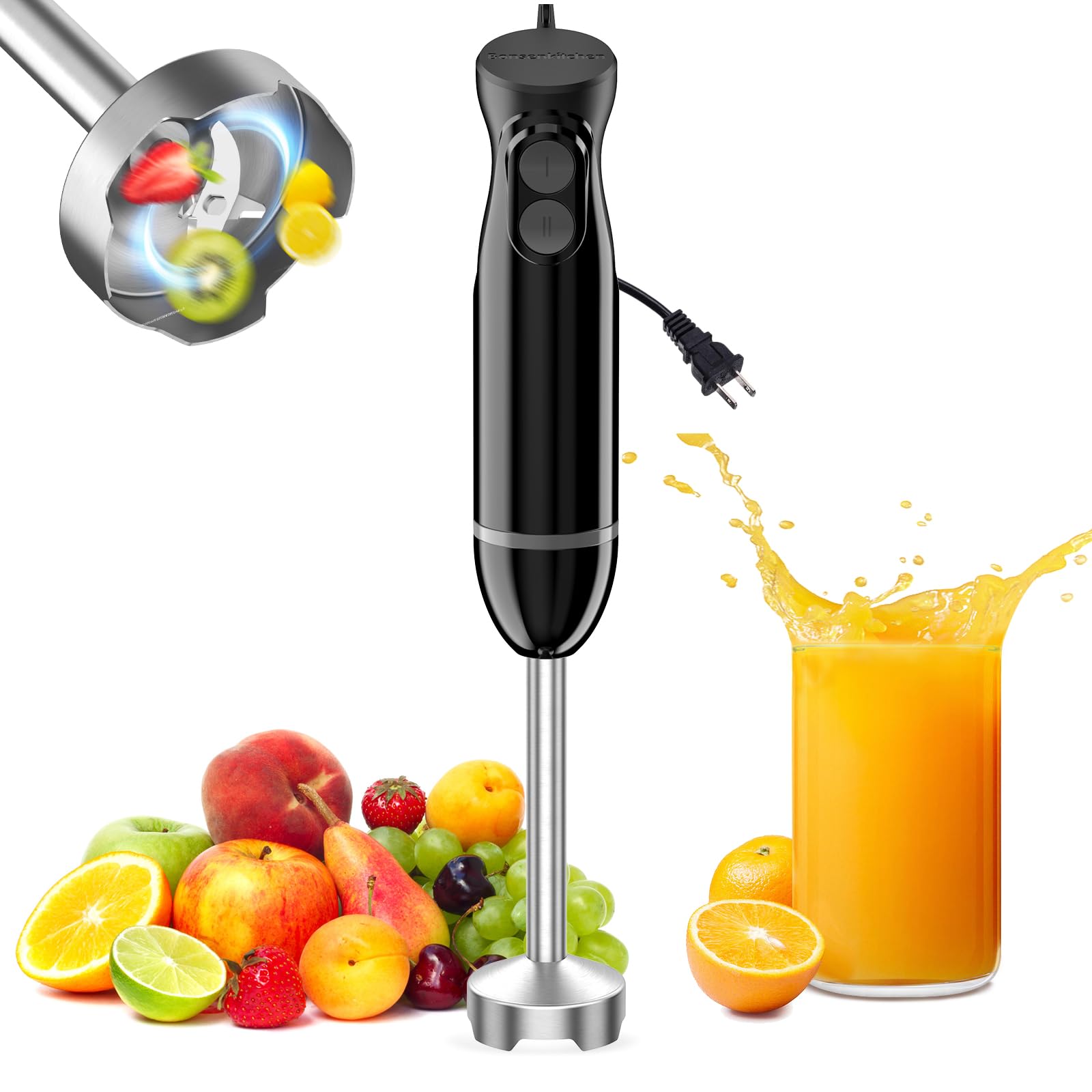
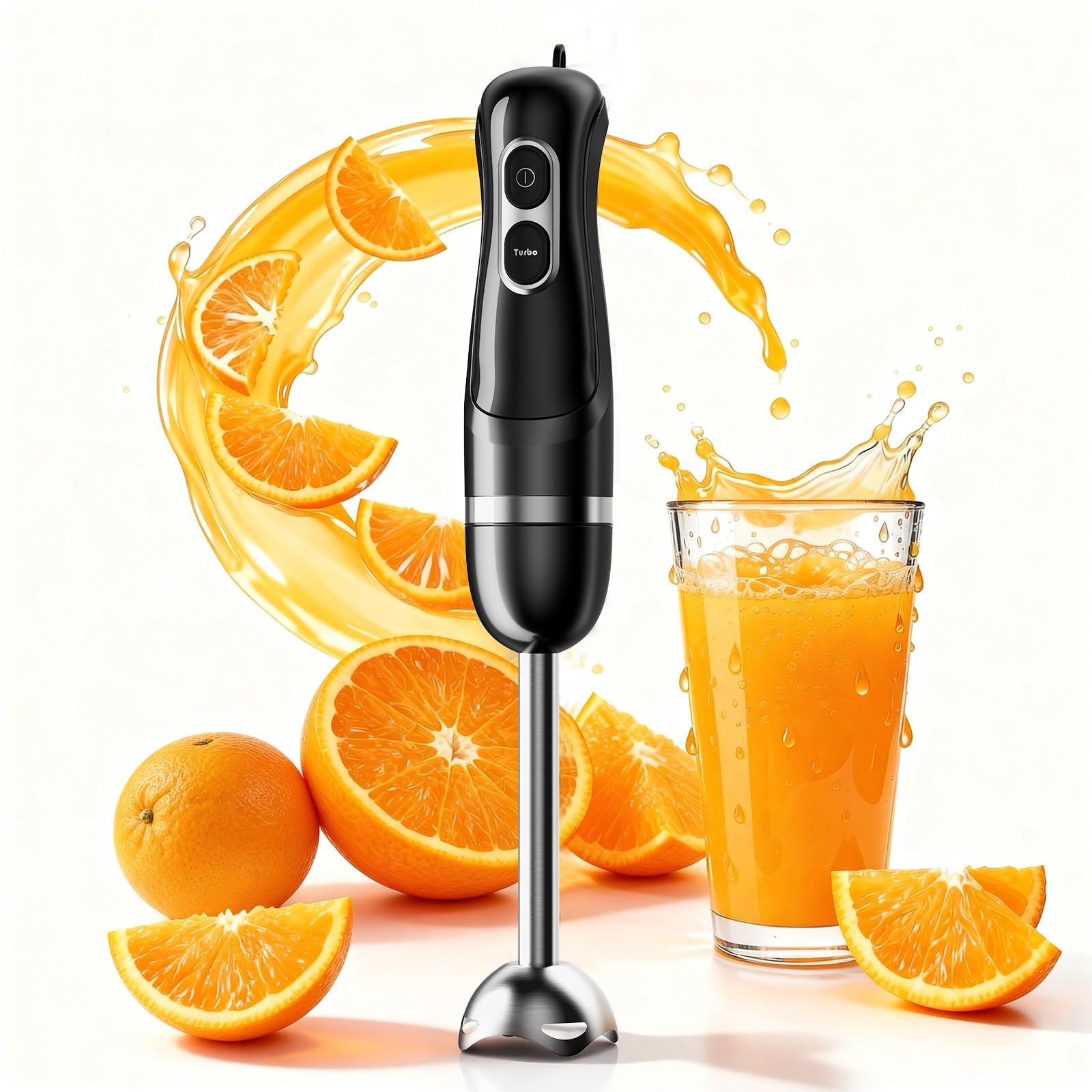
Motor wattage gets all the marketing attention, but it's not the whole story. The Bonsenkitchen immersion blender runs just 300 watts yet scores higher (8.4) than the 1400-watt H-Duka countertop model (6.8). Why? Blade design and jar shape matter more than raw power for most tasks.
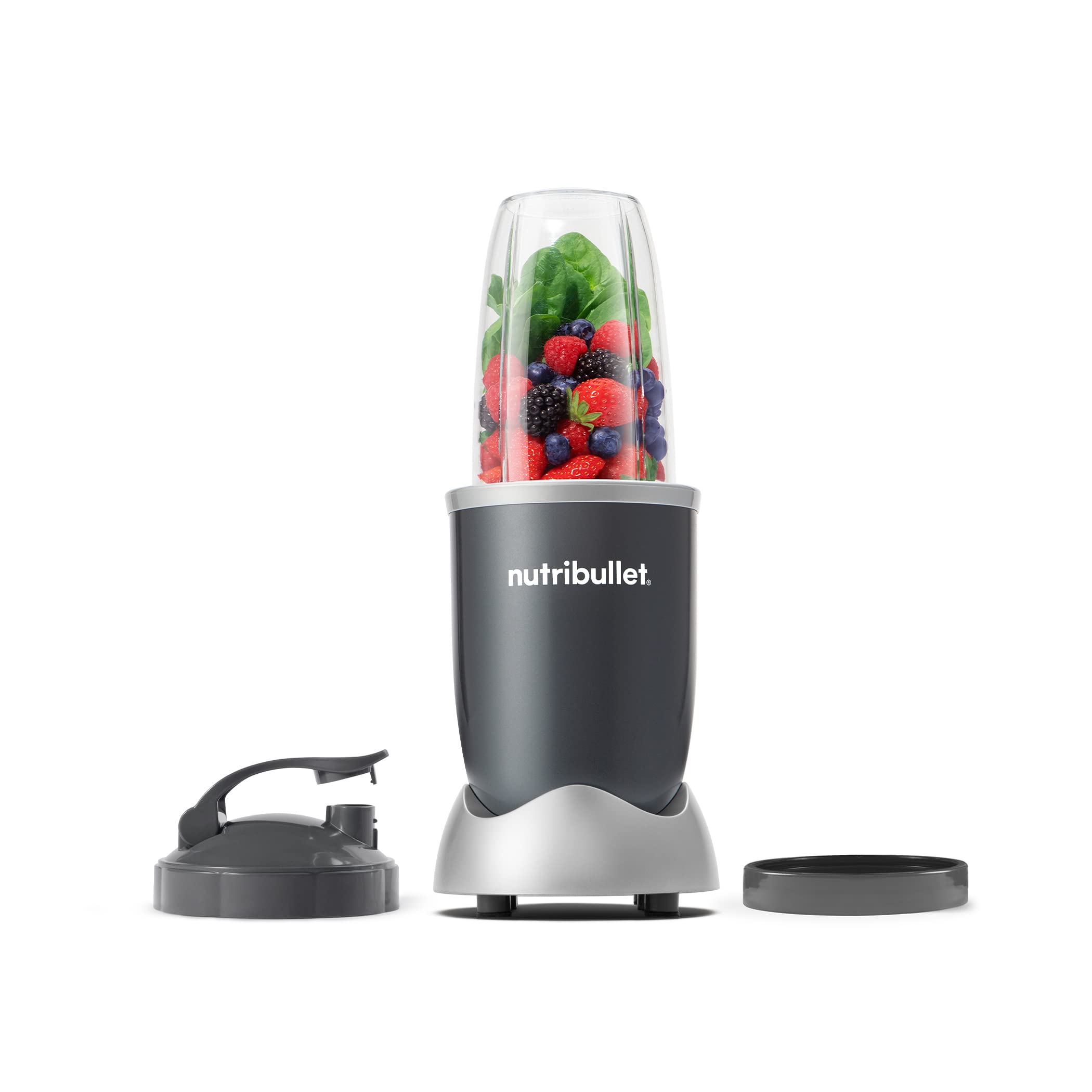
Personal blenders typically run 300-900 watts and handle single servings fine. Full-size models range from 700 watts (basic) to 1800 watts (commercial-grade). Immersion blenders work well at 200-400 watts since they're not fighting jar physics.
Red flag: Any blender advertising "peak" watts without stating continuous power. Peak numbers are marketing fluff.
Blade Configuration
This determines what your blender actually does well. Four-blade systems work for most smoothie ingredients. Six-blade setups like the Ganiza GB10 handle tougher jobs — ice, frozen fruit, fibrous greens.
Personal blenders use cross-blade designs that pull ingredients down into the cutting zone. Full-size models add angled blades to create circulation patterns. The Breville Fresh and Furious uses "surgical grade serrated" blades specifically for ice crushing.
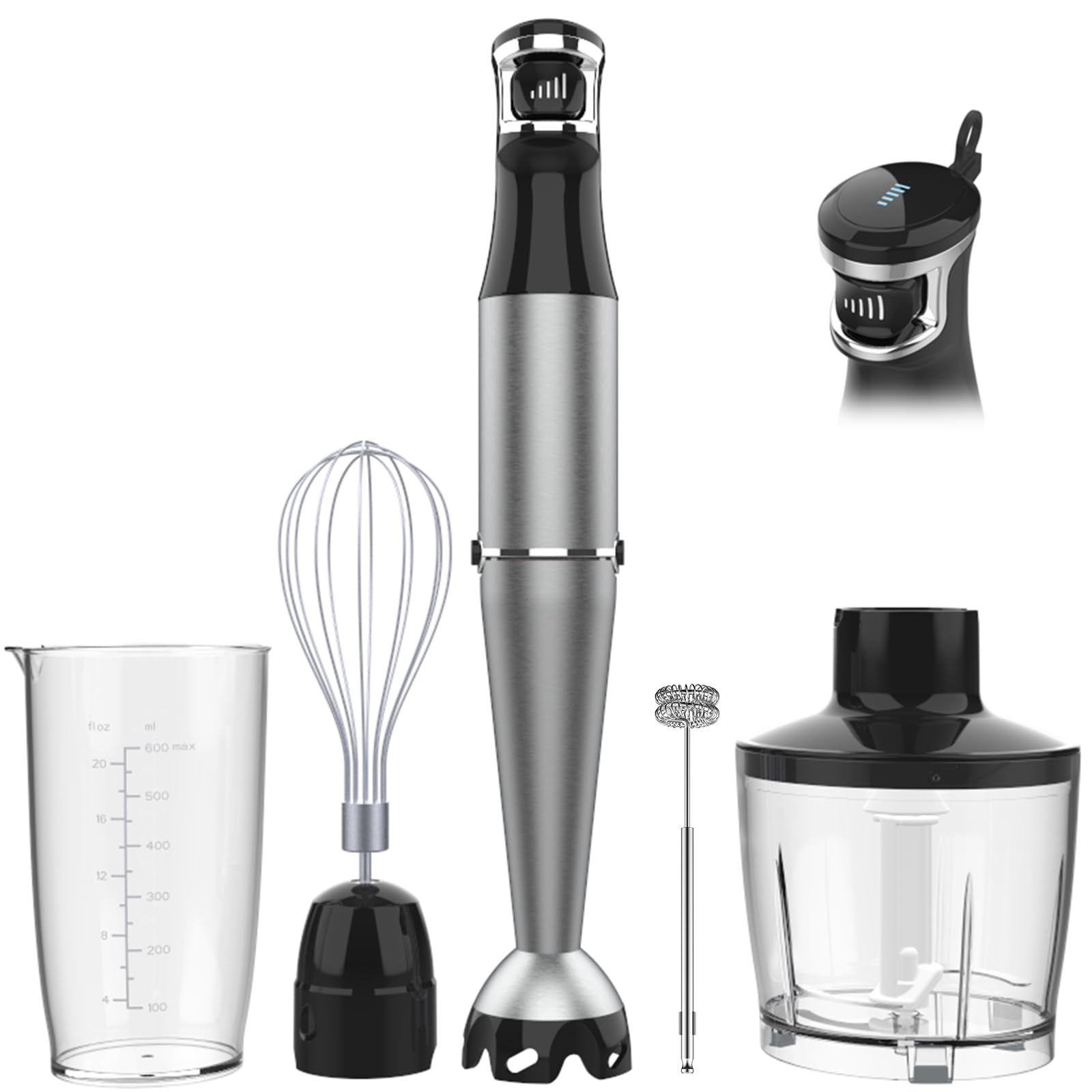
Immersion blenders rely on blade guards and shaft design. The Bonsenkitchen has four sharp blades in a protective housing that prevents splattering while maintaining cutting power.
Jar Material and Size
Glass jars feel premium and don't absorb odors, but they're heavy and can shatter. The BLACK+DECKER PowerCrush uses a 6-cup glass jar that buyers consistently mention feels substantial.
Plastic (Tritan or BPA-free) is lighter and safer around kids. Most personal blenders use plastic cups that double as travel containers. The Consciot CB08 includes three different cup sizes for portion control.
Size matters more than you think. A 64-ounce pitcher like the H-Duka seems generous until you realize it's too big for daily smoothies and too small for party batches. Most people land in the 24-32 ounce sweet spot.
Speed Settings and Programs
More speeds don't equal better blending. The Bonsenkitchen immersion has just two speeds and handles everything from baby food to smoothies. Meanwhile, the Blendtec Total Classic offers 10 speeds plus 6 pre-programmed cycles — overkill for most users.
Pulse function is non-negotiable. It gives you control over texture and prevents over-blending. Look for models where pulse actually stops between pulses rather than just reducing speed.
Pre-programs work if they match your habits. The Breville includes specific settings for green smoothies and ice crushing. But buyers report using maybe three functions regularly, regardless of how many the machine offers.
Build Quality Indicators
Motor housing weight tells you about internal components. Cheap blenders feel hollow. Quality models have heft from copper windings and metal gears. The Breville weighs 4 kg — you feel the engineering.
Coupling mechanism (where jar meets base) is the failure point. Metal couplings last longer than plastic. Removable blade assemblies make cleaning easier but create more leak points.
Warranty length signals manufacturer confidence. One year is standard. The Blendtec offers longer coverage because they expect their motors to last.
Safety Features
Locking mechanisms prevent operation without proper jar placement. The Consciot and Ganiza models only run when cups are correctly twisted into place. This prevents accidents and motor damage.
Overheat protection shuts down motors before damage occurs. Essential for extended blending sessions or tough ingredients. Cooling fans help but aren't always necessary for light use.
Non-slip feet keep blenders stable during operation. Suction cup bases work better than rubber pads for high-power models.
Blender Price Ranges
Budget ($14-30): The Bonsenkitchen immersion blender at around $15 proves you don't need to spend much for basic blending. Personal blenders like the Consciot CB08 at $25 include multiple cups and accessories. You get plastic construction, basic motors, and limited warranties, but they handle daily smoothies fine.
Mid-range ($35-100): This is where most buyers should shop. The BLACK+DECKER PowerCrush around $38 offers glass construction and reliable performance. Personal blender sets with multiple cups and grinding attachments cluster here. You get better motors, more durable materials, and useful accessories.
Premium ($200-400): The Breville Fresh and Furious at $200 and Blendtec Total Classic at $400 target serious cooks. You're paying for commercial-grade motors, advanced blade systems, and extensive programming. Only worth it if you blend daily and need to handle tough ingredients like nuts or ice regularly.
Common Blender Buying Mistakes
Buying too much blender: Most people think they need a 1400-watt monster for protein smoothies. The Bonsenkitchen at 300 watts handles frozen fruit just fine. Save the money unless you're making nut butter weekly.
Ignoring cleanup reality: That 15-piece Ganiza set looks impressive until you're washing blade assemblies, multiple cups, and gaskets after every use. Simple designs clean faster.
Choosing the wrong type: Personal blenders excel at single servings but struggle with family portions. Full-size models are overkill for daily smoothies. Match the tool to your actual usage pattern.
Falling for peak power claims: The H-Duka advertises 1800 peak watts but runs 1400 continuous. Peak numbers are meaningless — focus on what the motor delivers during normal operation.
Skipping the basics: Buyers obsess over speed settings while ignoring jar shape and blade design. The BLACK+DECKER creates better vortex action with four speeds than some models with ten.
Blender Recommendations
For specific product recommendations across all blender categories, check our best blenders roundup and best personal blenders guide. We also maintain a dedicated immersion blender comparison for stick blender options.