Knife sets are the kitchen equivalent of buying a car based on the number of cup holders. Manufacturers load them with specialty knives most people never touch, then charge premium prices for the privilege. We tracked 31 sets ranging from $5 to $397 to cut through the noise and find what actually matters for home cooking.
Most buyers overthink this category. You don't need 14 pieces. You probably don't need German steel. And that $400 block? It's solving problems you don't have.
What to Look for in Knife Sets
Steel Quality and Construction
High-carbon stainless steel dominates the market for good reason — it holds an edge longer than regular stainless while resisting rust better than carbon steel. The Amazon Basics 14-Piece uses this material at $24, proving you don't need to spend big for decent steel.
Full tang construction matters more than the steel grade. The blade should run through the entire handle, secured with rivets. This prevents the blade from separating under heavy use — a failure mode we see mentioned in reviews of cheaper sets.
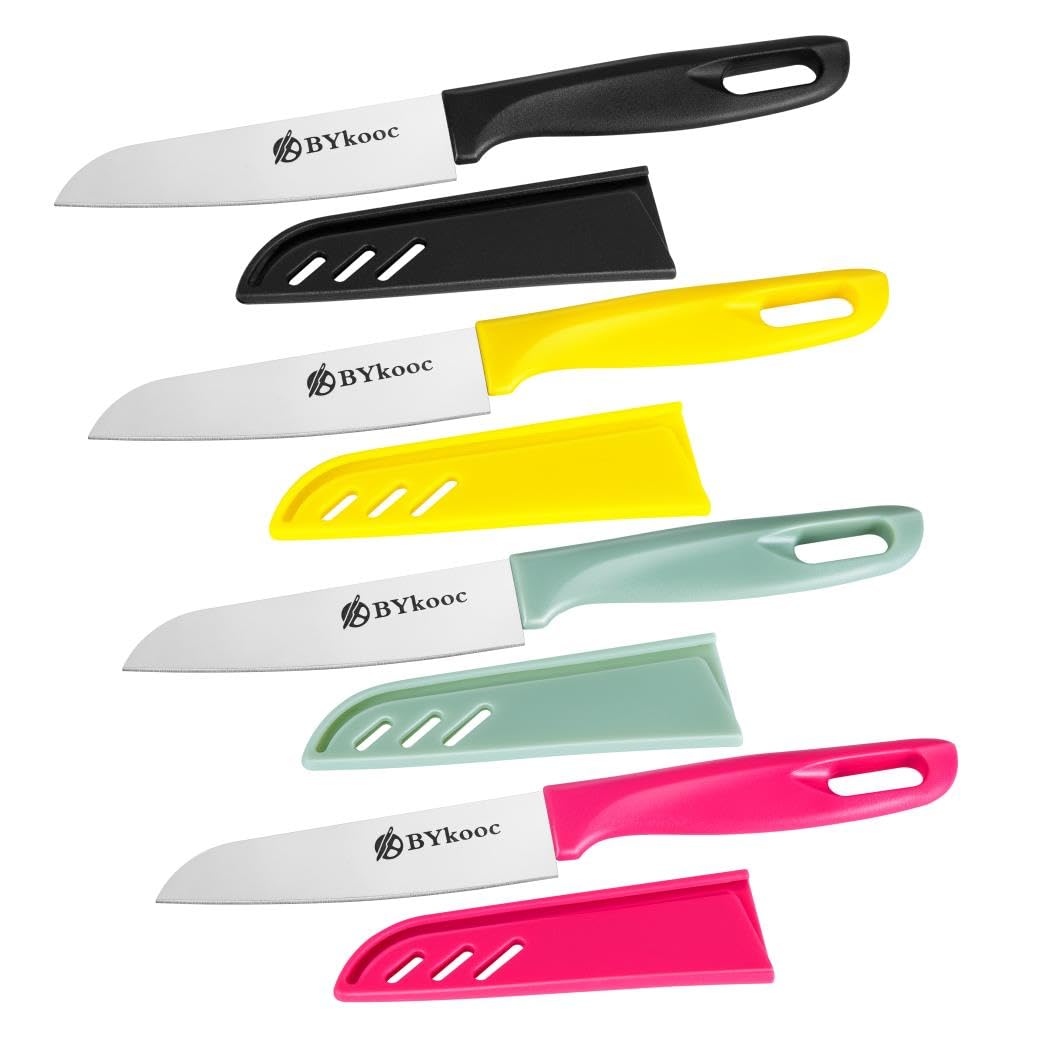
Watch for marketing terms like "German steel" or "Japanese-inspired." These often mean nothing about actual performance. The BYkooc 8-piece paring set at $5 cuts just as well as knives costing 10x more, according to buyer feedback.
Handle Design and Comfort
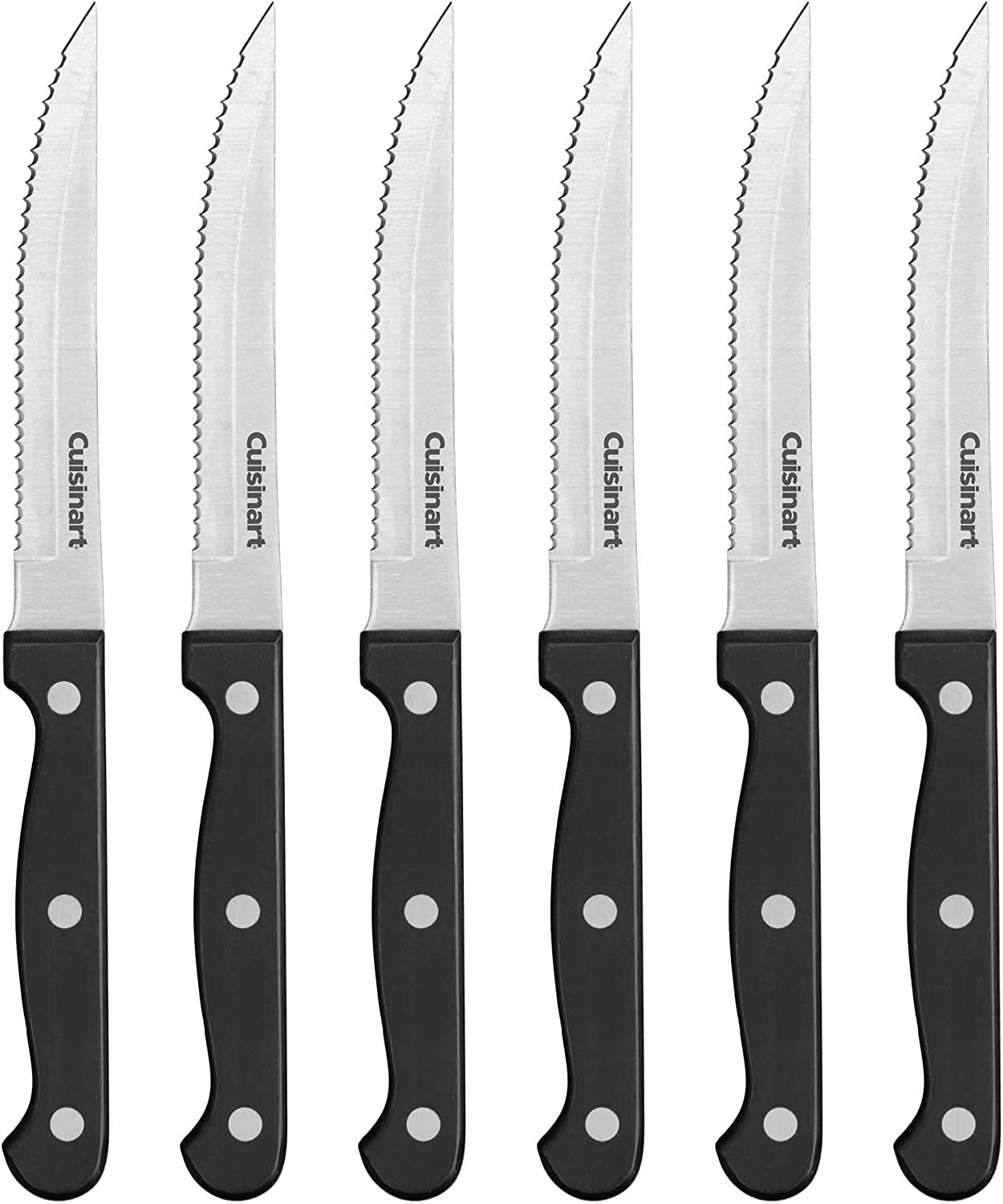
Ergonomic handles aren't just marketing speak — they prevent hand fatigue during long prep sessions. Look for handles that taper slightly and have some texture. The Cuisinart 15-Piece gets consistent praise for handle comfort, while budget sets often skimp here.
Triple-rivet construction secures the handle to the blade. Two rivets work fine for light use, but three provides better long-term stability. Most sets above $50 include this feature.
Handle material matters less than shape. Plastic handles on the Astercook 13-Piece perform just as well as wood or composite materials costing twice as much.
Blade Sharpness and Edge Retention
Every knife ships sharp — the question is how long it stays that way. Buyers consistently report that knives in the $75-150 range hold their edge 2-3x longer than budget options. The CAROTE 14-Piece at $75 gets frequent mentions for maintaining sharpness after months of use.
Serrated edges on steak knives are controversial. They stay "sharp" longer but can't be properly sharpened at home. Straight-edge steak knives dull faster but sharpen easily. The Amorston 8-piece steak set uses serrated blades — buyers love the initial performance but complain about long-term maintenance.
Don't trust manufacturer claims about "never needs sharpening." Physics doesn't work that way.
Essential vs. Filler Pieces
Most home cooks use three knives: chef's, paring, and serrated bread knife. Everything else is nice-to-have. The Amazon Basics 14-Piece includes six steak knives — useful if you host dinner parties, dead weight if you don't.
Utility knives (5-6 inches) bridge the gap between chef's and paring knives. Santoku knives overlap heavily with chef's knives — you need one or the other, not both. Kitchen shears are genuinely useful and often included.
Boning knives, carving knives, and specialty shapes collect dust in most kitchens. Buy individual knives for specific tasks rather than paying for a complete set.
Storage Solutions
Wooden blocks look traditional but harbor bacteria in the slots. They also take up significant counter space. The Astercook 13-Piece includes blade guards instead — more hygienic and compact for storage.
Magnetic strips work well if you have wall space. In-drawer knife blocks protect edges better than loose storage but require dedicated drawer space.
Some sets skip storage entirely, letting you choose your own solution. This often provides better value since you're not paying for a block you might not want.
Maintenance Requirements
Most manufacturers claim dishwasher safety, but hand washing extends blade life significantly. The harsh detergents and high heat in dishwashers dull edges faster and can damage handles over time.
Stainless steel resists rust but isn't rust-proof. Dry knives immediately after washing, especially if you have hard water. The Astercook set includes anti-rust coating, but buyers still report spotting if knives air-dry.
Sharpening requirements vary by steel hardness and usage. Budget knives need sharpening every 2-3 months with regular use. Premium sets might go 6-12 months between sharpenings.
Knife Set Price Ranges
The knife set market breaks into three clear tiers, each serving different needs and budgets.
Budget ($5-30): Basic functionality without frills. The BYkooc paring set at $5 proves you can get sharp, functional knives for almost nothing. The Amazon Basics 14-Piece at $24 provides a complete kitchen setup for the price of a single premium knife. Steel quality is adequate, handles are functional, and edge retention is acceptable for light use. You'll sharpen more often and replace sooner, but the math works if you're budget-conscious or just starting out.
Mid-Range ($75-150): The sweet spot for most home cooks. The CAROTE 14-Piece at $75 and Cuisinart 15-Piece around $90 offer significantly better edge retention and build quality. Handles are more comfortable for extended use, and the knives feel substantial without being heavy. This tier typically includes better storage solutions and longer warranties. You're paying for durability and daily usability.
Premium ($200-400): Diminishing returns territory. These sets target serious home cooks and knife enthusiasts who appreciate subtle differences in balance, edge geometry, and materials. The performance gap between a $90 Cuisinart and a $300 premium set is much smaller than the price difference suggests. Most buyers won't notice the difference in daily use.
Common Knife Set Buying Mistakes
Buying too many pieces: That 14-piece set sounds comprehensive, but you'll use four knives regularly. The Amazon Basics includes six steak knives — great if you entertain, wasteful if you don't. Start with fewer, higher-quality pieces rather than a complete set of mediocre knives.
Prioritizing brand over performance: Cuisinart and other big names charge premiums for recognition, not necessarily better knives. The Astercook 13-Piece at $18 outperforms sets costing three times more, according to buyer feedback. Focus on construction details, not logos.
Ignoring storage needs: That beautiful wooden block takes up prime counter real estate. Measure your space before buying. The Astercook set's blade guards offer more flexibility for small kitchens.
Expecting dishwasher durability: Even "dishwasher safe" knives last longer with hand washing. The harsh environment dulls edges and can crack handles over time. Budget an extra minute per meal for proper care.
Buying sets for gifts without knowing cooking habits: A 15-piece set overwhelms casual cooks while disappointing serious ones who prefer specific knife styles. Gift cards or individual knives work better unless you know their exact needs.
Knife Set Recommendations
For detailed rankings and specific product recommendations, check our best knife sets roundup and budget knife sets guide. We update these monthly based on price changes, new releases, and review patterns.
If you're just starting out or replacing a broken set, the Amazon Basics 14-Piece offers remarkable value at $24. For daily cooking with better durability, the CAROTE or Cuisinart sets around $75-90 hit the sweet spot for most kitchens.