Most people buying a coffee maker start in the wrong place. They pick a machine, plug it in, then pour pre-ground supermarket beans into it and wonder why home coffee tastes flat. The order matters. We walked through our coffee category dataset (9 products, price range from around $30 to $400, over 108,000 combined ratings) and built this guide around three questions: what style of coffee do you drink, do you need a grinder, and how much to spend. Work through those in order and the shopping gets simple.
What Kind of Coffee Drinker Are You? Start With Style
The fastest way to waste money on a coffee maker is to buy one designed for a habit you don't have. A family pouring four cups every weekday morning needs something different than a single pour-over nerd chasing flavor notes. Pick your lane first.
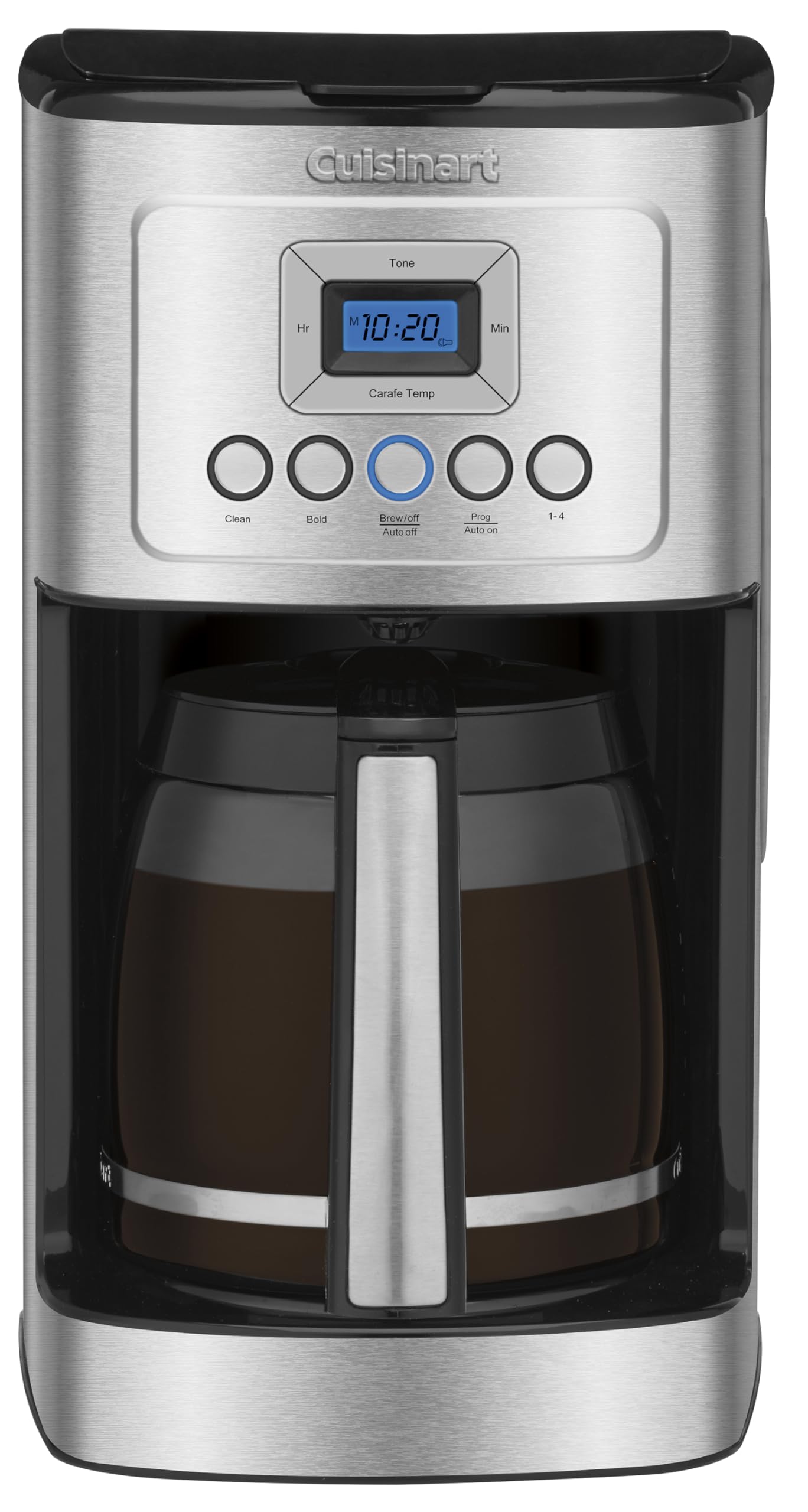
If you make coffee for a household, a large-batch drip machine is the obvious move. The Cuisinart 14-Cup Programmable Coffee Maker (DCC-3200P1) sits near $90 in our tracking, pulls above 43,000 ratings at 4.4 stars, and sells in the thousands per month. It handles 14 cups, has a warming plate with low/medium/high settings, and runs on a 24-hour timer. That's the workhorse profile: nobody writes poems about it, everyone keeps buying it.
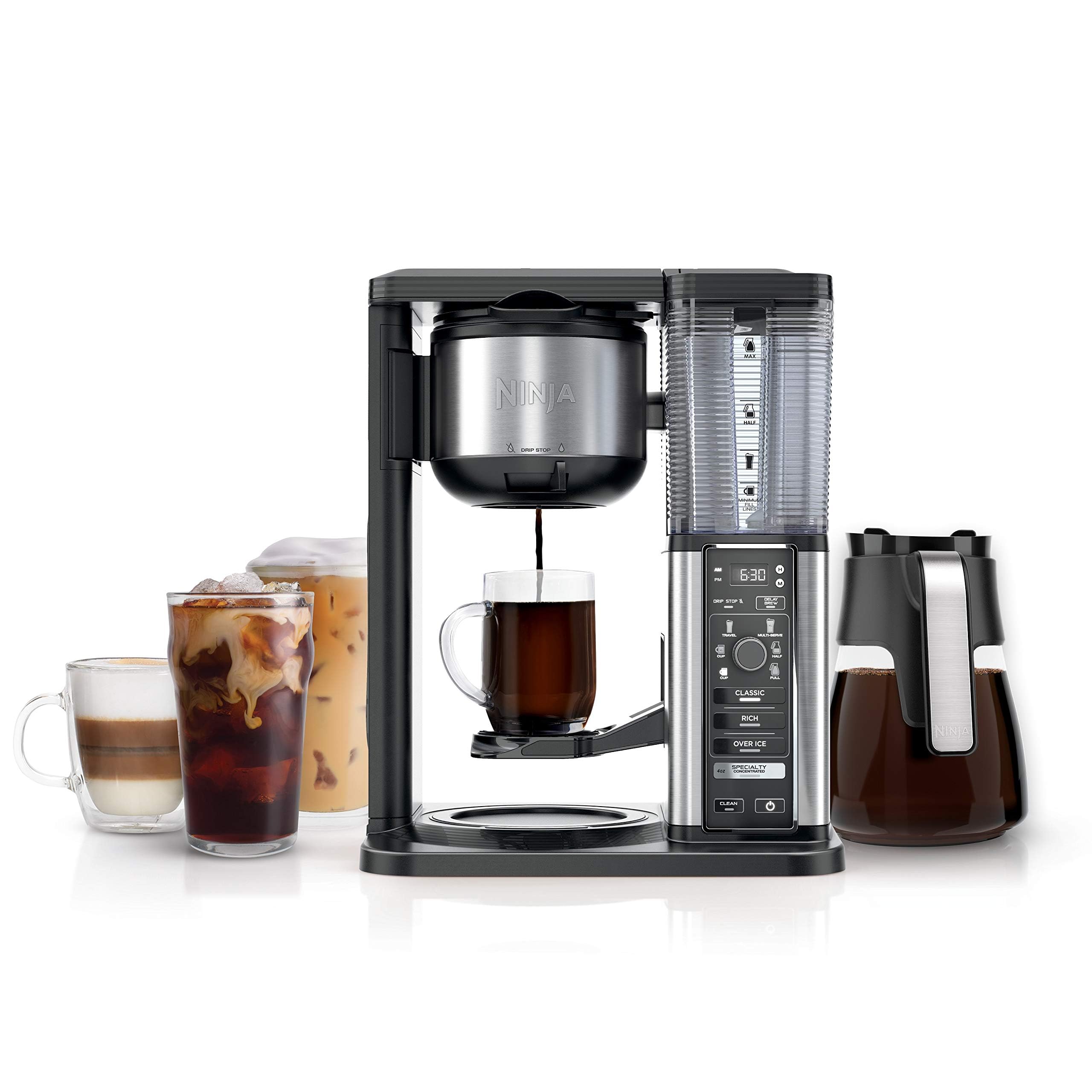
If you drink iced coffee half the year, or want espresso-style drinks without an espresso machine, the Ninja Specialty Coffee Maker CM401 is built for that. It has a Specialty Brew setting that pulls a concentrate strong enough to layer into lattes and macchiatos, plus a dedicated over-ice mode. Around $140, around 19,500 reviews, 4.5 stars. Not a purist's choice. A good choice if your definition of "coffee" includes drinks with milk and ice.
If you're a pour-over person who wants automation without losing control, the OXO Brew 9-Cup Coffee Maker is the bridge. It holds water in the 197 to 205 Fahrenheit range, uses a rainmaker shower head to wet grounds evenly, and takes about $225. The rating is softer (3.9 stars across roughly 3,500 reviews) and buyers are split, so this one rewards doing the reading. People who like it say it matches what they were doing by hand. People who don't say the build quality does not match the price.
And if you want the cleanest, flattest, most reliable drip cup you can buy without thinking about it again for years, that's the Technivorm Moccamaster KBGV Select. More on that below.
Why Grind Matters More Than Your Coffee Maker
Here is the brutal truth about home coffee: the grinder matters more than the brewer. A $400 coffee maker fed pre-ground beans from a bag that was opened three weeks ago will taste worse than a $90 Cuisinart fed beans ground fresh that morning. Every serious coffee source says this. We saw it reflected in how buyers talk about the grinders in our data.
Blade grinders (the spinning propeller kind) should not be in this conversation. They chop beans into inconsistent chunks, which means half the grounds over-extract and half under-extract in the same brew. Buy a burr grinder or skip grinding at home entirely. The burr category splits into manual and electric, and both have a place.
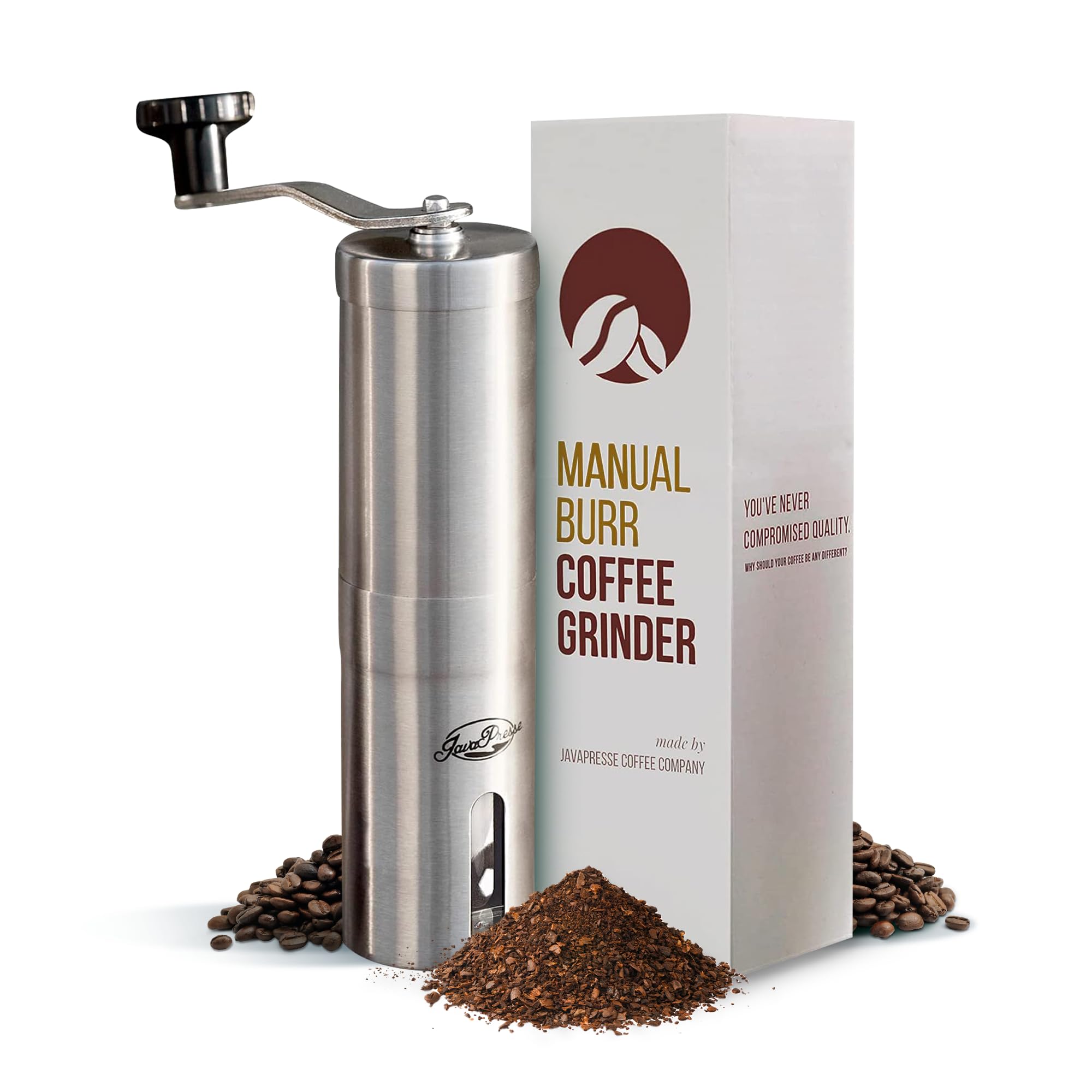
The cheapest real grinder in our data is the JavaPresse Manual Coffee Grinder at around $30. It has a ceramic conical burr, 18 adjustable settings, and over 25,000 reviews at 4.1 stars. Crank it by hand for 90 seconds and you get a consistent grind. It's quiet, it's portable, and it's the right buy if you travel or if your coffee budget is tight. Buyers report it holds up fine for daily use, though it's slow for anything past two cups and a few say the handle loosens over time. For under $40, it punches hard.
Step up to electric and the Baratza Encore ESP takes over. Around $200, 4.3 stars across about 1,200 reviews, and it covers both espresso and filter grinding with a dual-range adjustment system. Baratza is the brand coffee people recommend when they want to stop arguing. The ESP version goes fine enough for espresso, which older Encore models did not, so if there is any chance you'll buy an espresso machine later this is the safer bet.
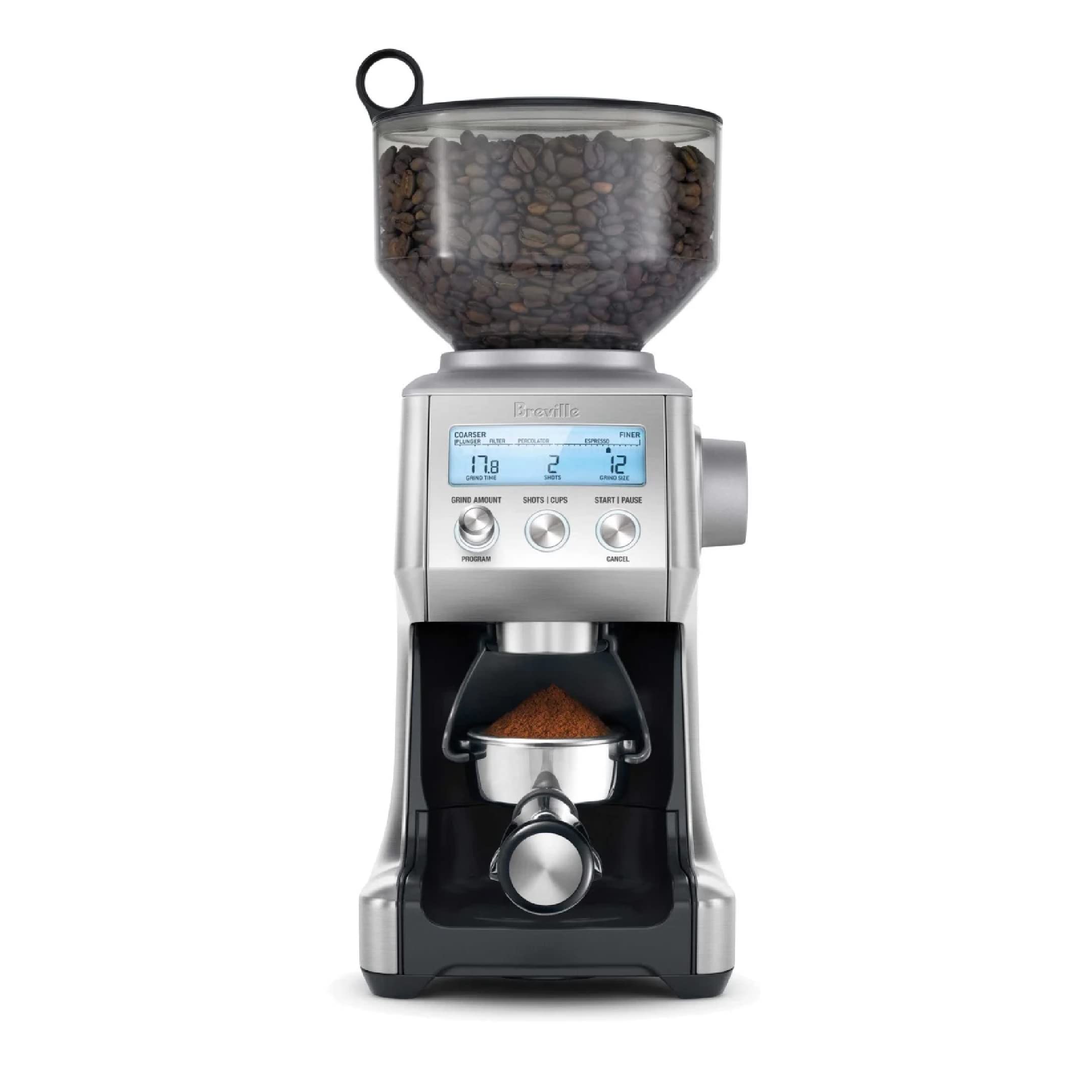
One tier up, the Breville Smart Grinder Pro (BCG820BSS) runs around $200 with 60 grind settings and programmable dosing timed in 0.2 second increments. 4.5 stars, around 6,800 reviews. Buyers use it for both espresso portafilters and paper drip, and the dosing memory is the feature most mentioned in positive reviews. It's louder than the Baratza. It's also the most flexible grinder in this price range if you split time between methods.
At the top, the Fellow Ode Gen 2 is a $400 pour-over specialist with 64mm flat burrs and 31 grind settings. 4.2 stars, under 800 reviews (so the data picture is thin). It does not grind for espresso, Fellow says so in the listing. The pitch is a quiet, design-forward machine tuned for brewed coffee at the upper end of extraction quality. Buyers who use it for filter and French press love it. If you make espresso, move on.
How Much Should You Spend on a Coffee Maker and Grinder?
Budget is where most buyers get the split wrong. The instinct is to spend big on the brewer and cheap out on the grinder. Flip that. Here is how we'd tier the spend using products from our dataset.
Under $100 total for the maker: you are in Cuisinart 14-cup territory, or a basic drip from a similar brand. Good coffee is possible here if you pair it with fresh beans and a decent grinder. Near $90 on the maker plus around $30 on a JavaPresse manual grinder gets you a full setup for close to $120, and the coffee will taste better than most office break rooms with machines three times the price. This is the tier for households that drink coffee to wake up, not to taste.
From $100 to $250: the middle tier. The Ninja Specialty at around $140 or the OXO Brew near $225 cover the brewer side. Pair either with a Baratza Encore ESP at $200 or a Breville Smart Grinder Pro at $200. You're looking at a full setup around $340 to $425. This is the tier where the grind is consistent, the water temperature is right, and the difference from tier one shows up in the cup. This is also where most coffee-at-home habits settle once they stick past the first year.
Above $250: the specialty tier. The Technivorm Moccamaster at around $360 is the single product in this dataset that drip enthusiasts will argue for by name. It's hand-built in the Netherlands, uses a copper heating element to hit 196 to 205 Fahrenheit consistently, and the brand quotes a lifespan measured in years, not months. 4.3 stars across nearly 4,800 reviews. It has almost no features. That is the point. Pair it with a Fellow Ode Gen 2 or a Breville Smart Grinder Pro and you're building the kitchen coffee bar, with total spend close to $560 to $760.
What to Skip When Buying a Coffee Maker
Skip blade grinders entirely. We said it above, we'll say it once more: the inconsistent grind is the single biggest reason home coffee tastes worse than cafe coffee, and no amount of expensive beans or expensive brewers fixes it. If your budget forces a choice between a $90 blade grinder and a $30 manual burr, pick the manual burr every time.
Skip single-serve pod machines if you drink more than one cup a day. The math stops working past one cup. Pods cost roughly 50 cents each, which is fine for occasional use and expensive if you drink three. They also lock you into one brand's ecosystem. A Cuisinart 14-cup plus bulk beans costs less per cup after the first month.
Skip "specialty features" that look good in bullet points and never get used. Built-in grinders on drip machines sound convenient and almost always grind worse than a dedicated $30 manual burr. Frothing wands bolted onto drip makers are not espresso wands. Bluetooth connectivity on a coffee maker is not a feature, it's a liability for the day the app stops being supported.
Common Mistakes Buyers Make With Coffee Equipment
The biggest mistake is not buying a grinder at all. People spend $200 on a brewer, then pour stale pre-ground beans into it and think the machine is the problem. The machine is not the problem. Buy the grinder first, even if it's a $30 JavaPresse, and watch the cup quality jump.
The second mistake is overspending on the brewer and underspending on the beans. A $360 Technivorm will make bad coffee from bad beans. A $90 Cuisinart will make decent coffee from fresh, well-sourced beans ground that morning. Your monthly bean budget matters more than your one-time machine cost past the first year.
The third mistake is choosing single-serve for a multi-cup household. If two people in the house drink coffee every morning, pods cost more in three months than a full drip setup. Make the switch and send the leftover pod machine to the office.
Coffee Maker and Grinder FAQ
Do I need a separate grinder, or is a built-in grinder fine? Buy a separate grinder. Built-in grinders on drip machines are almost always blade-based or low-quality burrs, and a dedicated $30 manual burr will beat them on consistency. A standalone grinder also outlasts any single brewer, so you keep it when you upgrade.
What's the difference between blade and burr grinders? Blade grinders spin a propeller that chops beans into uneven chunks. Burr grinders crush beans between two adjustable surfaces (conical or flat) to produce consistent particle sizes. Consistency matters because uneven grounds extract at different rates in the same brew. One is a kitchen tool, the other is a coffee tool.
Is the Technivorm Moccamaster worth the price? For people who drink black drip coffee every day and want the cup to taste the same for years, yes. For people who make coffee twice a week or who like iced drinks and lattes, no. The Moccamaster does one thing, does it well, and is built to outlast cheaper drip machines by a decade. That only matters if you use it daily.
Can I use any burr grinder for espresso? No. Espresso needs a very fine, very consistent grind with micro-adjustments at the fine end. The Baratza Encore ESP and Breville Smart Grinder Pro both handle espresso. The Fellow Ode Gen 2 does not (Fellow says so in the listing). The JavaPresse can grind fine enough in theory but is slow for daily espresso use.
How long should a good coffee maker last? A drip machine in the $80 to $150 range typically runs three to five years of daily use before the heating element or pump starts to fade. The Technivorm is the outlier, with a build designed to run past the first decade with basic maintenance. Grinders generally outlast brewers, and a burr grinder with replaceable burrs has no real end of life.
What if I only want one machine and one grinder for the next ten years? If budget is open, the Technivorm Moccamaster plus a Baratza Encore ESP is the combination most likely to be on your counter a decade from now. Total cost lands close to $560. The Cuisinart-plus-JavaPresse pairing at around $120 is the budget answer and will not last as long, but replacement is cheap.