Instant pots promise to revolutionize your kitchen. Most deliver on that promise — if you buy the right one. We tracked 27 models across three months, analyzing close to 15,000 reviews and price movements from $7 to $330. The reality? You can get 90% of the functionality for about $90, but manufacturers want you spending triple that.
This guide cuts through the marketing noise. You'll learn what features actually matter, which price tier makes sense for your cooking style, and how to avoid the expensive mistakes that trip up first-time buyers.
What to Look for in Instant Pots
Capacity That Matches Your Reality
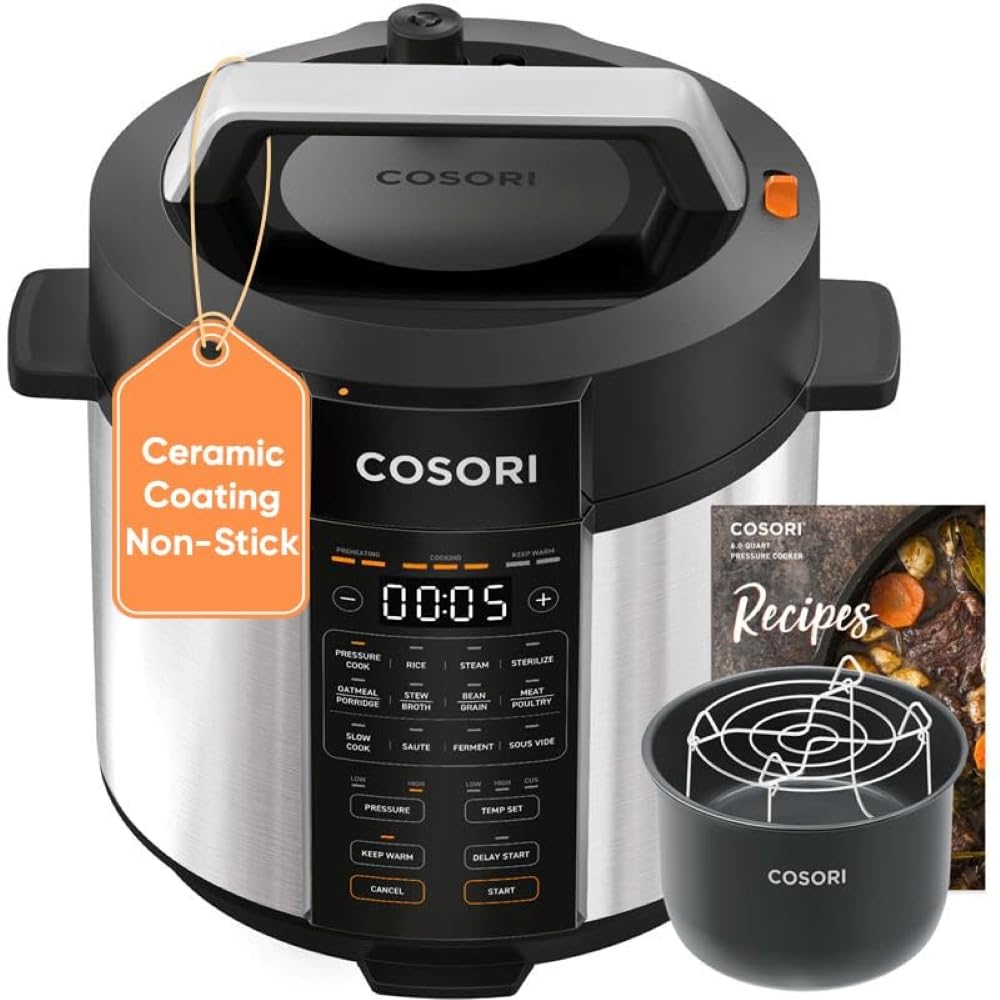
Instant pot sizes range from 3 to 8 quarts, but the sweet spot for most households is 6 quarts. That's enough for a whole chicken, 6 cups of rice, or soup for 4-6 people. The COSORI Pressure Cooker at 6 quarts handles family meals without dominating your counter.
Here's the capacity reality check: a 6-quart pot only fills to about 4 quarts when pressure cooking (you need headspace for steam). If you're cooking for 1-2 people regularly, a 3-quart model saves counter space. Cooking for 6+ people or meal prepping? Go 8 quarts.
Red flag: buying too small because it's cheaper. You'll outgrow a 3-quart pot faster than you think.
Pressure Release Systems
This is where safety meets convenience. Manual release means you turn a valve to vent steam — standard on most models. Automatic release does it for you when cooking finishes. The CHEF iQ Smart Pressure Cooker includes auto release, which sounds convenient until you realize it adds $100+ to the price.
Buyers consistently mention that manual release gives you more control. You can do quick release for vegetables (keeps them crisp) or natural release for meats (keeps them tender). Auto release systems decide for you based on the preset.
Watch for: steam release valve placement. The COSORI positions it away from the handle — smart design that prevents accidental burns.
Build Quality Indicators
Stainless steel housing beats plastic every time for durability and heat resistance. The Breville Fast Slow Pro showcases premium construction at $330, but you get similar stainless quality in the COSORI at $90.
Inner pot material matters more than the housing. Stainless steel inner pots are dishwasher-safe and don't retain odors. Ceramic-coated pots (like in the Breville) are easier to clean but can chip over time. Non-stick coatings are convenient but need replacement every 2-3 years.
Lid design reveals build quality. Look for: removable lids (easier cleaning), silicone seals that seat properly, and locking mechanisms that feel solid. Cheap models have flimsy lid hinges that break within a year.
Control Interface
Buttons vs touchscreens vs smartphone apps — each has tradeoffs. Physical buttons are reliable but limited. The Electric Pressure Cooker uses an IMD touchscreen that looks modern but adds complexity (and failure points).
Smart features like the CHEF iQ's built-in scale and WiFi connectivity sound impressive. Reality check: most buyers use 3-4 basic functions regardless of how many the machine offers. The CHEF iQ lists 500+ guided recipes, but buyers report sticking to pressure cook, slow cook, and rice settings.
Simpler is often better. The COSORI's straightforward button layout gets more praise in reviews than complex touchscreen interfaces.
Safety Features
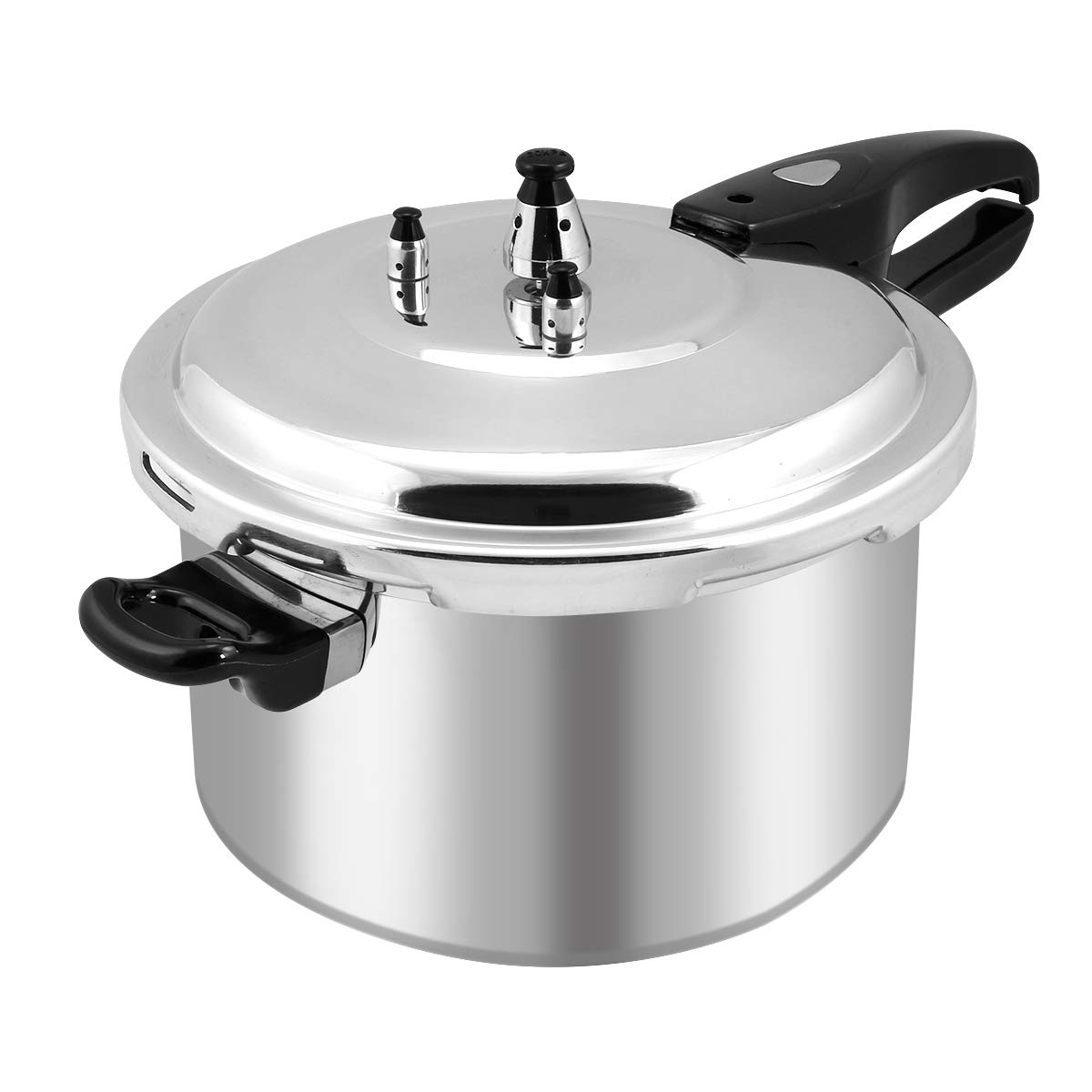
Modern instant pots include 10-16 safety features, but some matter more than others. Essential ones: lid lock (prevents opening under pressure), pressure release valve, and overheat protection. The Barton 8QT Pressure Canner emphasizes 8 safety features — adequate for basic cooking.
Advanced safety features like dual sensors (monitoring top and bottom temperatures) appear in premium models like the Breville. Nice to have, but not worth doubling your budget unless you're doing complex cooking techniques.
Boil-dry protection prevents damage if you forget to add liquid. Every electric model should have this — it's standard, not a premium feature.
Preset Programs
Most instant pots offer 6-12 preset cooking programs: rice, meat, beans, soup, etc. The COSORI includes 12 functions, while basic models stick to 6-8. Here's what buyers actually use: pressure cook (manual), rice, slow cook, and sauté.
More presets don't equal better cooking. They're convenience features that set time and pressure automatically. Experienced users prefer manual control over presets anyway.
Skip models that emphasize preset count over basic functionality. You're paying for programming, not performance.
Instant Pot Price Ranges
Budget ($50-80): Functional but Limited
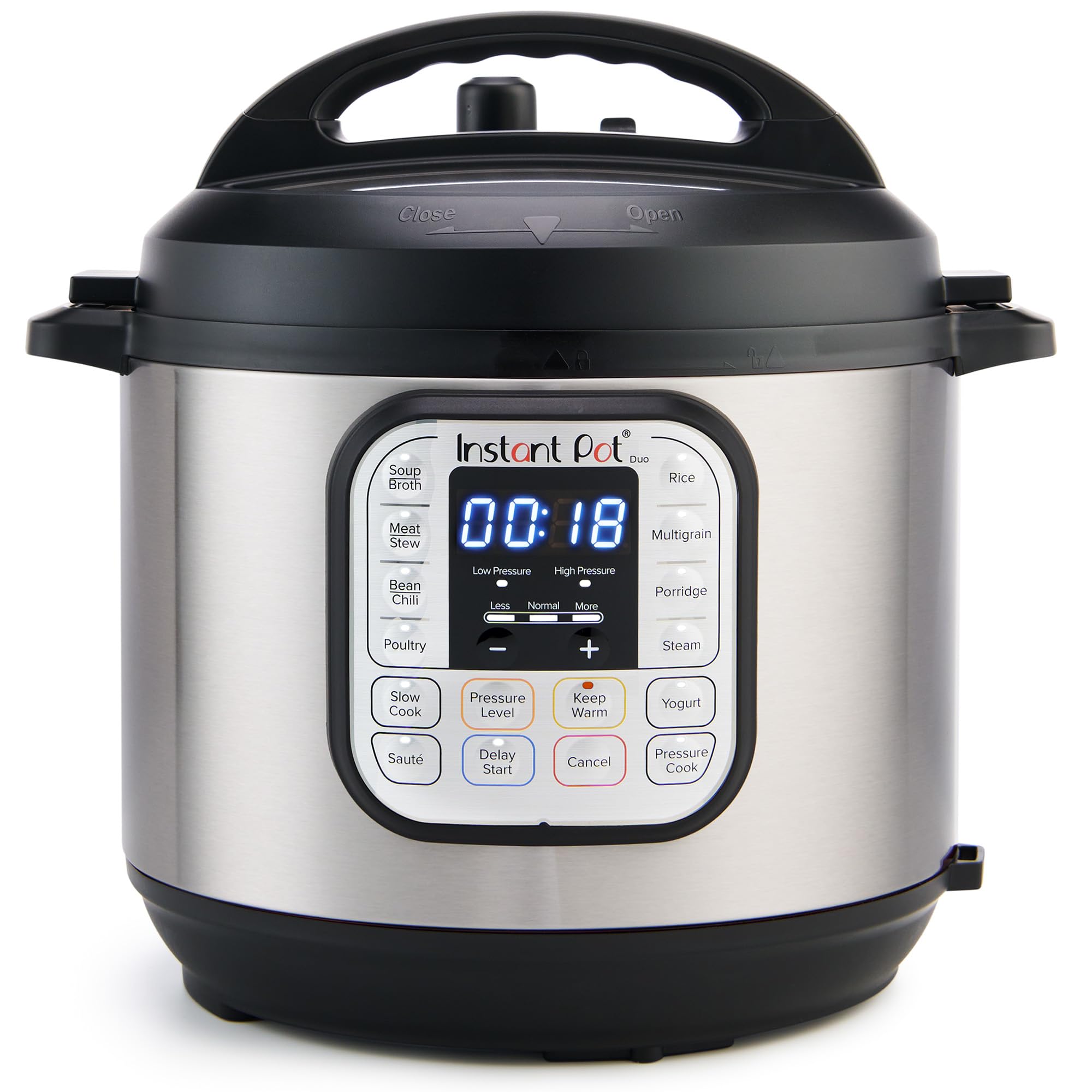
The Electric Pressure Cooker at $68 (currently on sale) represents this tier well. You get basic pressure cooking, decent build quality, and essential safety features. The 4.6-star rating from 129 reviews suggests solid performance, though the review sample is still small.
Tradeoffs at this price: simpler controls, fewer preset programs, and basic accessories. The inner pot might be thinner stainless steel. Customer service and warranty support are typically minimal.
This tier works if you want to try pressure cooking without major investment. Just don't expect premium features or long-term durability.
Mid-Range ($80-150): The Sweet Spot
Most buyers should land here. The COSORI Pressure Cooker at $90 exemplifies this tier's value. You get stainless steel construction, 12 safety features, ceramic inner pot, and solid build quality. The 4.8-star rating across 6,647 reviews shows consistent performance.
This price range delivers 90% of premium functionality at half the cost. You get reliable pressure cooking, multiple functions, and accessories like steam racks. Build quality is good enough for daily use.
The COSORI's 3,000 monthly sales volume suggests strong market acceptance. At $90, you're near the category average of $122 but getting above-average ratings.
Premium ($200-330): Diminishing Returns
The Breville Fast Slow Pro at $330 shows what premium money buys: dual sensors, automatic pressure adjustment, ceramic-coated bowl, and premium stainless construction. The 4.4-star rating from 1,059 reviews is solid but not dramatically better than mid-range options.
Premium features like the CHEF iQ's built-in scale and WiFi connectivity add convenience but not cooking performance. At $200, you're paying for smart features that most users ignore after the novelty wears off.
Buy premium if you want the latest tech features or plan heavy daily use. For most home cooks, the performance gain doesn't justify the price jump.
Common Instant Pot Buying Mistakes
Buying Too Many Functions
The CHEF iQ advertises as a "10-in-1 multicooker" with 500+ guided recipes. Buyers report using maybe 3-4 functions regularly. You're paying for complexity you won't use.
Stick to models that do the basics well rather than everything mediocrely. The COSORI's 9 functions hit the sweet spot — enough variety without overwhelming complexity.
Ignoring Accessory Quality
Cheap instant pots often include flimsy accessories: thin steam racks, small measuring cups, basic recipe books. The Breville includes a stainless steel steamer basket and rack — accessories that actually last.
Budget for replacement accessories upfront. A good steam rack costs $15-20, measuring cups another $10. Factor this into your total cost.
Overlooking Sealing Ring Maintenance
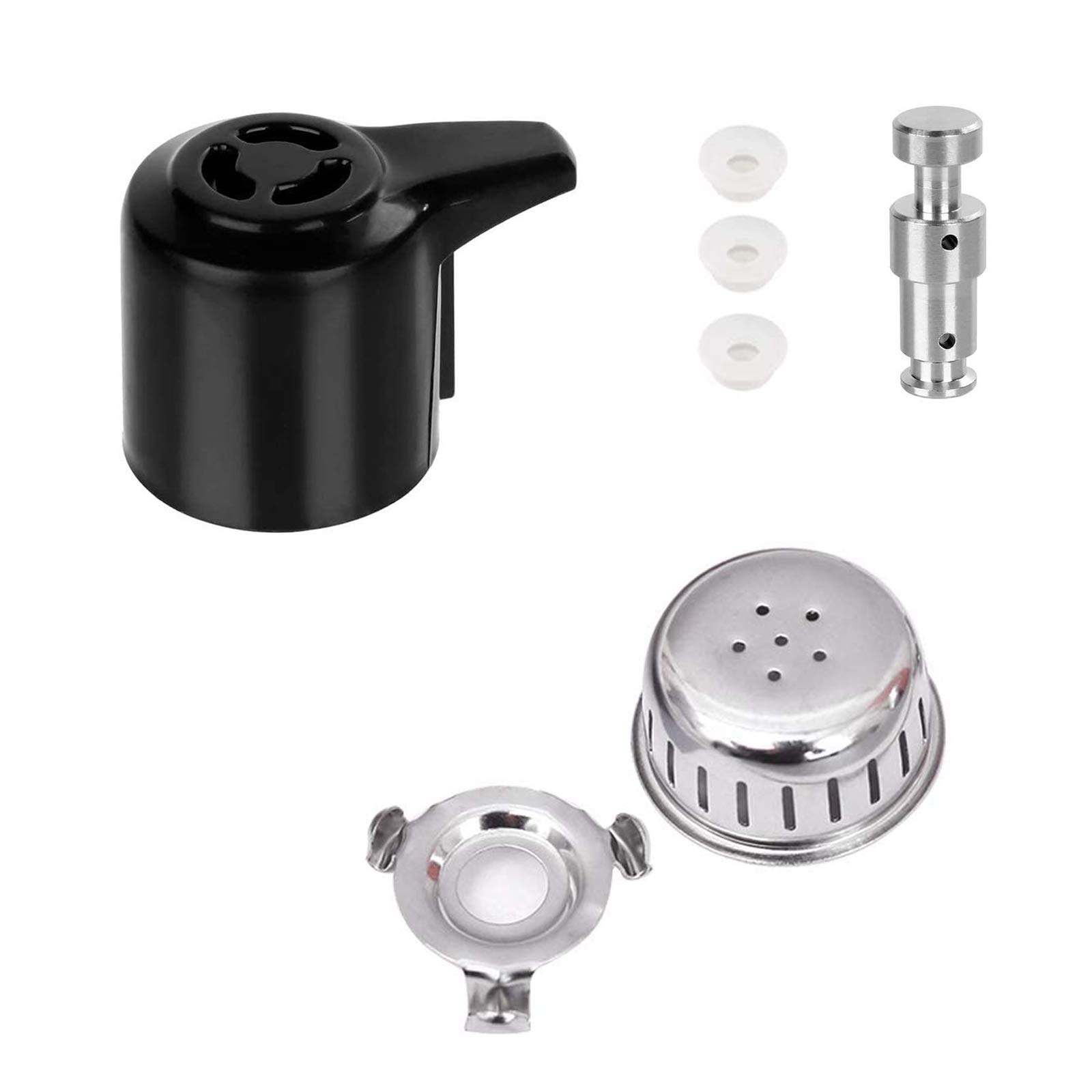
Sealing rings need replacement every 18-24 months. The 2-Pack Sealing Ring at $7 shows how affordable replacement is, but many buyers don't plan for this maintenance cost.
Silicone rings absorb odors over time. Having multiple rings lets you dedicate one to savory dishes, another to sweet. The 3PCS Silicone Sealing Ring at $14 provides this flexibility.
Choosing Size Based on Counter Space
Buying a 3-quart model because it fits your counter better is short-sighted. You'll quickly outgrow the capacity and end up buying a larger model anyway.
Measure your storage space, not just counter space. Most instant pots store in cabinets when not in use.
Falling for Smart Features
WiFi connectivity, smartphone apps, and built-in scales sound revolutionary. The CHEF iQ's built-in scale is genuinely useful, but the WiFi features get ignored after a few uses.
Smart features add complexity and failure points. They also increase the price significantly. Buy smart features only if you'll actually use them long-term.
Instant Pot Recommendations
For detailed rankings and specific model recommendations, check our best instant pots roundup and budget instant pot picks.
The COSORI at $90 hits the sweet spot for most buyers — solid build quality, essential features, and proven reliability without premium pricing. The Breville justifies its $330 price if you want premium construction and advanced features, but most home cooks won't notice the difference in daily use.
Avoid the temptation to buy the cheapest or most feature-packed option. The middle ground delivers the best balance of performance, reliability, and value.